


Run Over After Falling Off a Motorcycle in Manhattan: Can I Sue?
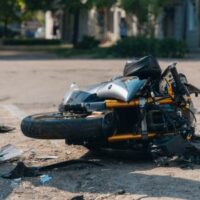
One of the most dangerous aspects of a motorcycle ejection is the threat of passing vehicles. If you were run over by a passing vehicle after a motorcycle accident in Manhattan, contact Cohan Law, PLLC to discuss the next potential steps. These cases require fast legal action because motorcycle riders generally cannot rely on New York no-fault/PIP benefits for medical bills. We can investigate third-party liability, insurance coverage, comparative fault, and all available paths to compensation.
Is a Driver to Blame for Running Over a Motorcyclist After an Ejection?
If you’re wondering whether a driver is to blame for running over a motorcyclist after they were ejected from their ride, you need to consider the unique aspects of the specific crash. Sometimes, a driver has no time to react after a rider falls into their path, and they cannot avoid running the victim over.
In other situations, however, drivers are completely or partially responsible for these collisions. For example, a driver might have been texting and driving when a rider fell off their bike. Instead of slamming on the brakes or veering out of the way, the driver might have continued texting before running over the rider.
Every Motorcycle Crash Requires a Thorough Investigation
A driver might also be to blame if they were speeding or following the rider too closely. One of the many reasons drivers should give plenty of following distance is to give themselves enough time to react to crashes up ahead. Another potential form of negligence in this situation is intoxication. A drunk or stoned driver may react too late after a rider ejection because of slow reflexes or poor judgment. These issues can arise on Manhattan corridors where motorcyclists face fast-moving traffic and limited escape space, including the FDR Drive, the West Side Highway, the Henry Hudson Parkway, the Harlem River Drive, and busy crosstown routes.
These kinds of incidents occur quite often in New York City. On June 2nd, NY Daily News reported that a motorcyclist had fallen from his bike after “failing to navigate a curve.” After being ejected from his Harley-Davidson, the rider went under the wheels of a Cadillac Escalade and lost his life. Police noted that the Escalade driver remained at the scene and cooperated with law enforcement. No charges were announced by local police. The fact that a rider may have lost control first does not automatically end the legal analysis. A later driver may still share fault if they were speeding, distracted, impaired, following too closely, or otherwise failed to respond reasonably to a foreseeable roadway hazard.
Motorcyclists Are Treated Differently Under New York No-Fault Law
One of the most important things to know is that motorcycles are excluded from New York’s no-fault system. Under Insurance Law § 5103(a)(1), first-party no-fault benefits generally apply to injuries arising from the use or operation of a motor vehicle, but motorcycles are excluded from that framework. In practical terms, an injured motorcycle rider usually cannot turn to PIP benefits in the same way that a car occupant can. That makes early legal involvement especially important. After a Manhattan motorcycle crash, medical bills may need to be addressed through health insurance, disability coverage, MedPay if available, the at-fault driver’s bodily injury coverage, uninsured or underinsured motorist coverage, or a third-party injury lawsuit.
What About Comparative Fault?
New York follows pure comparative negligence under CPLR § 1411. That means an injured motorcyclist may still recover compensation even if they were partially at fault for the initial crash. Any recovery is reduced by the rider’s percentage of responsibility. The rule matters in ejection-and-run-over cases. An insurer may argue that the rider caused the first crash by failing to navigate a curve, speeding, lane-splitting, or losing control. However, that does not necessarily excuse a second driver who then ran over the rider.
Does the Serious Injury Threshold Matter?
New York treats motorcycle riders differently from occupants of passenger vehicles. Insurance Law § 5102(f) excludes motorcycles from the statutory definition of a “motor vehicle” for no-fault purposes, and Insurance Law § 5103 excludes motorcycle operators and passengers from first-party no-fault benefits. An injured motorcyclist therefore cannot rely on the standard $50,000 in Personal Injury Protection benefits to pay medical expenses and lost earnings. Instead, the rider may pursue the negligent driver directly for losses beginning with the first dollar. Medical expenses may initially be paid through health insurance, optional medical payments coverage, workers’ compensation if the crash occurred during employment, or other available benefits.
Can a Manhattan Motorcycle Accident Lawyer Help Me?
If a driver ran you or your loved one over after a motorcycle ejection in Manhattan, you have every right to consider the possibility of a personal injury or wrongful death lawsuit. While drivers sometimes have no time to avoid running over motorcyclists, there is always the possibility of negligence. Because motorcycle riders cannot rely on ordinary no-fault/PIP benefits for medical bills, health insurance and third-party liability recovery may be the only realistic paths to payment. That makes early legal action more critical than in a typical auto accident case.
Were you run over by a car after falling off your motorcycle? Contact the New York motorcycle accident lawyers at Cohan Law, PLLC to discuss the next potential steps during a free consultation. We can investigate whether another driver shared fault, apply New York’s comparative negligence rules, identify all available insurance coverage, and pursue compensation for medical bills, lost income, future care, pain and suffering, and wrongful death damages when applicable.
Sources:
nysenate.gov/legislation/laws/ISC/5103
nysenate.gov/legislation/laws/CVP/1411
nysenate.gov/legislation/laws/ISC/5102